From the silent, life-saving barrier in healthcare to the fantastical transformations on the silver screen, and even to the precision of academic publishing, latex holds a surprising and multifaceted presence in our world. It's a material that elicits strong reactions, inspires innovation, and safeguards well-being, often sparking memorable discussions and quotes about latex that capture its essence. Let's delve into the diverse narratives woven around this remarkable substance, exploring its journey from essential protection to a cornerstone of creative expression and beyond.
The Lifesaving Role of Latex: Beyond "Safe Sex" Slogans
Perhaps the most critical and widely recognized application of latex is in personal protection, particularly in the realm of sexual health. The simple yet profound message, often encapsulated in catchy latex quotes like, "Safe sex is great sex, better wear a latex, 'cause you don't want that late text, that 'I think I'm late' text," underscores its indispensable role in preventing unwanted pregnancies and the spread of sexually transmitted infections (STIs). This isn't just a marketing slogan; it's a public health imperative that has saved countless lives and prevented immeasurable suffering.
The elasticity, strength, and barrier properties of natural rubber latex make it ideal for condoms, offering a reliable and accessible method of contraception and disease prevention. However, like any material, it's not without its challenges. One significant concern is latex allergies, which can cause reactions ranging from mild irritation to severe anaphylaxis. This has prompted medical professionals and manufacturers to innovate, leading to the development of non-latex alternatives like polyisoprene and polyurethane condoms, ensuring that everyone can access safe and effective protection without compromise.
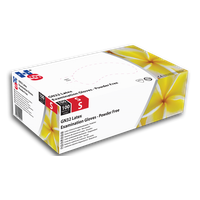
Beyond condoms, latex is pervasive in medical settings. From examination gloves that protect healthcare workers and patients, to catheters, surgical tubing, and even some bandages, its flexibility and barrier capabilities are crucial. The ongoing research into hypoallergenic alternatives and improved manufacturing processes continues to make latex a cornerstone of global health infrastructure, embodying a silent commitment to safety and well-being.
Transforming Realities: Latex in the World of Special Effects
Step onto a movie set, and you'll find latex playing a dramatically different, yet equally transformative role. In the hands of skilled artists, latex becomes the raw material for creating some of cinema's most iconic monsters, aliens, and fantastical creatures. This is where the magic of special makeup effects comes alive, pushing the boundaries of imagination and challenging actors to convey emotion through layers of sculpted rubber.
As one artist aptly notes about the challenges, "You have to emote much more to get what you're trying to get across to come through a quarter inch of latex that's superglued to your face." This isn't just about applying a mask; it's about crafting a second skin that allows an actor to truly embody a character, even when undergoing an "excruciating pain that you could possibly imagine," mimicking a grand mal seizure while wearing "crazy latex make-up." The process is often uncomfortable and lengthy, demanding immense patience from both the performer and the makeup team.
A significant component in prosthetic makeup is foam latex. Unlike solid latex, foam latex is lighter, more flexible, and allows for greater movement and expression, making it perfect for creating realistic skin textures, dynamic facial prosthetics, and elaborate creature suits. Experts in the field, like those working with legends such as Greg Nicotero of The Walking Dead fame, often describe their core skills as being "Good with clay and latex," highlighting the foundational importance of these materials in bringing imaginative visions to life. From subtle aging effects to grotesque injuries and full-body monster suits, latex enables filmmakers to transport audiences to worlds beyond their wildest dreams, proving that the medium isn't just about what you see, but how convincingly it's presented.
Latex in Pop Culture and Fashion: Breaking Boundaries
Beyond its utilitarian and cinematic applications, latex has carved out a distinct niche in the world of fashion, performance art, and pop culture. It's a material that defies convention, often chosen for its striking visual impact, form-fitting silhouette, and unique sheen. Artists and designers leverage its distinct qualities to make bold statements, challenge norms, and celebrate body positivity.
Consider the observation about evolving celebrity personas: "I want to live in a world where Miley (or any female musician) can twerk wildly at 20, wear a full-cover floral hippie mumu at 37, show up at 47 in see-through latex, and pose semi-naked, like Keith & co, on the cover of Rolling Stone at 57 and be APPLAUDED for being so comfortable with her body." This latex quote perfectly encapsulates how the material has become a symbol of unapologetic self-expression and body confidence. It's a fabric chosen not for comfort, but for its audacious aesthetic and the message it conveys – often one of power, sensuality, or rebellion.
While latex fashion can be challenging to wear and maintain, its unique visual appeal makes it a favorite for music videos, stage performances, and avant-garde fashion editorials. It transforms the wearer, making them stand out and often becoming an integral part of their artistic persona. This audacious embrace of latex in popular culture reflects a broader societal shift towards valuing authenticity and individuality over traditional sartorial expectations, demonstrating that clothing can be a powerful extension of identity.
The Digital Dimension: LaTeX and the World of Text
While discussing the physical material, it's impossible to overlook a completely different, yet equally influential, "Latex" – the powerful document preparation system known as LaTeX (often stylized as TeX or LaTeX). Far removed from condoms or prosthetics, LaTeX is a markup language widely used by scientists, engineers, mathematicians, and academics for producing high-quality, professional-looking documents.
As the reference context highlights, "Some scientists use TeX or LatEX but for most people Word is the thing that writers use these days." While Word is ubiquitous for general use, LaTeX excels in typesetting complex mathematical equations, intricate layouts, and large academic papers with unparalleled precision and consistency. It empowers authors to focus on content, letting the system handle the nuanced details of typography and formatting.
One critical aspect of document presentation in LaTeX is the concept of latex quote size. This refers to the dimensions and visual presentation of text excerpts enclosed within quotation marks. Customizing the size of quotes allows authors to:
- Emphasize specific passages: Enlarging a quote can draw immediate attention to crucial information.
- Maintain visual consistency: Ensuring all quotes adhere to a uniform style throughout a document.
- Adhere to style guidelines: Meeting specific formatting requirements for academic journals or publishers.
- Enhance readability: Properly sized quotes integrate seamlessly with the main text, improving comprehension.
Understanding the syntax and commands for customizing latex quote size, along with best practices for visual aesthetics, is essential for anyone aiming to produce polished and professional documents. It's about empowering authors with control over visual presentation, ensuring that every quoted passage serves its intended purpose effectively, reinforcing the commitment to clarity and precision that defines the LaTeX environment.
Conclusion
The journey through the world of "latex" reveals a material—and a system—of extraordinary versatility and impact. From its humble origins as a natural rubber sap to its critical role in public health, its capacity to transport us into fantastical cinematic realms, its bold statement in fashion, and its indispensable function in academic publishing, latex profoundly shapes our lives. Whether we're talking about the physical material or the digital typesetting system, "latex quotes" – be they public health slogans, artists' reflections on their craft, cultural commentary, or the precise formatting of text within a document – encapsulate the diverse narratives and significant contributions of this remarkable substance. Its story is far from over, continually evolving and adapting to meet new challenges and inspire fresh creativity.